




Although the initial excitement may have led to Swegways (or hoverboards) being seen all over, the truth in the UK is that their legal usage is restricted to private property. This heightens the importance of safety tips, as the areas where they are allowed are typically less regulated than public streets. Becoming proficient in safe Swegway riding is essential for safeguarding yourself and others, and for prolonging your device's lifespan.
Here's a comprehensive guide to Swegway safety tips in the UK:
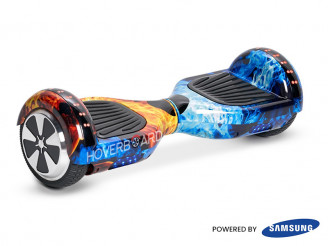
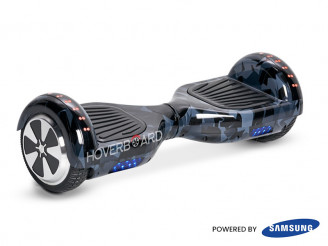

-1693841728.jpg)
Understand the Law: Private Land is Key
Before considering riding, you must have the legal limitations in the UK firmly established in your mind.
- No Public Roads, Pavements, or Cycle Lanes: Riding a privately owned Swegway (hoverboard) on public roads, sidewalks, bike paths, or shared public areas is against the law. This restriction extends to parks, public parking lots, and schoolyards if they are accessible to the public without specific permission.
- Private Land Only, with Permission: The sole location where you can lawfully operate a Swegway is on private land, and you must obtain explicit consent from the property owner. This might be your personal garden or driveway, or a private estate where the owner has specifically allowed it.
Adhering to legal regulations helps you avoid substantial fines, points on your driving license, and even the seizure of your Swegway. Gear Up: Protection is Paramount.

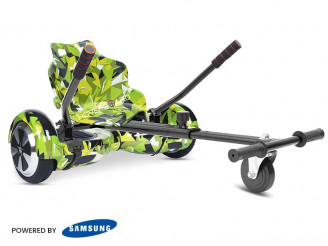
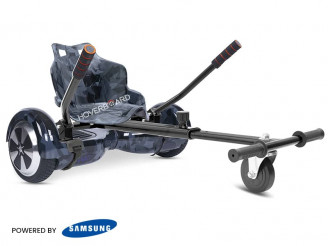
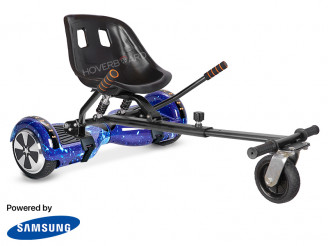
The primary cause of injuries associated with hoverboards is falling. Even at minimal speeds, a fall can result in significant injuries. Wearing appropriate protective equipment is crucial and not optional, particularly for novices and young riders.
- Helmet: A properly fitting, certified helmet (such as a multi-sport or skate helmet) is the most essential safety gear. Head injuries have the potential to change lives significantly.
- Knee Pads & Elbow Pads: These cushion impacts during falls, safeguarding your joints from cuts, bruises, and breaks.
- Wrist Guards: Numerous cyclists naturally extend their hands to cushion a fall, leading to frequent wrist injuries such as sprains and fractures. Wrist guards offer essential protection.
- Appropriate Footwear: Opt for comfortable, flat, closed-toe footwear with excellent traction. Steer clear of sandals, flip-flops, high heels, or any shoes that might slip on footpads.
- Comfortable Clothing: Choose attire that permits unrestricted movement and avoids becoming entangled in the wheels.
Learn to Ride Safely: Start Slow and Master the Basics
Operating a Swegway demands a distinct balance and gentle body shifts. Patience is essential during the learning process.
- Choose a Safe Environment: Start your learning journey in a wide, level, and unobstructed area on private property. An empty, smooth driveway or a large, flat lawn is perfect. Steer clear of cluttered or sloped locations.
- Get Support: During your initial tries, position yourself beside a wall or have a reliable adult assist you. This offers essential support as you familiarise yourself with the board's responsiveness.
Mounting and Dismounting:
- Mounting: Position one foot securely on a footpad. When the sensor activates (the board may balance itself or emit a slight noise), swiftly and assuredly step up with your other foot. Maintain a relaxed and centered posture.
- Dismounting: This is crucial! Always dismount the Swegway by stepping backwards, one foot at a time. Stepping forward may cause the board to unexpectedly move out from beneath you.
- Body Posture: Maintain a straight back, with knees gently bent, and gaze ahead rather than at your feet. Utilise small adjustments in your core and ankles to manage movement.
- Start Gently: Engage in smooth forward and backward motions. For turning, gently press with your toes or heels. Perfect slow, deliberate movements prior to trying faster speeds.
Ride Responsibly and Be Aware
Responsible riding practices are essential on private property to avoid mishaps.
- Maintain Awareness: Constantly stay aware of your environment. Watch for barriers like tiny rocks, surface variations, animals, or other individuals.
- Control Your Speed: Travel at a pace that matches your ability and surroundings. Always ensure you can halt or navigate safely without exceeding your limits.
- Avoid Distractions: Avoid using headphones, cell phones, or any other distractions that might take your focus off riding.
- Check the Terrain: Swegways are intended for use on smooth, level surfaces. Steer clear of rough terrain, steep slopes, gravel, sand, or wet/slippery areas, as these may lead to loss of control and accidents.
- Know Your Limits: Avoid trying complex stunts or advanced techniques until you have achieved high proficiency and confidence with the device.
- Observe Weight Limits: Consistently follow the manufacturer's designated weight limits for riders, both minimum and maximum. Surpassing these limits may harm the board and lead to hazardous situations.
Charging and Maintenance Safety
Hoverboards require careful charging and upkeep due to the major fire safety concerns they present.
- Use the Original, Certified Charger: Consistently utilise the charger provided with your Swegway. Verify it includes an authentic BS 1363 three-pin UK plug with a fuse and appropriate CE/UKCA certifications..
- Never Charge Unattended: Avoid charging your Swegway overnight or when you're not home. Faulty lithium-ion batteries have the potential to overheat, which can create a fire hazard.
- Charge on a Hard, Non-Flammable Surface: Position the Swegway on tiles or concrete, avoiding carpets, curtains, or flammable items.
- Unplug When Charged: Unplug the charger when the battery is fully charged (signaled by the charger light turning green).
- Inspect Regularly: Prior to every use, swiftly inspect the Swegway, its wheels, and the charger for any apparent damage, loose components, or strange odors. Should you detect any swelling or excessive heat from the battery, stop using it at once and adhere to fire safety guidelines.
By carefully adhering to these safety guidelines, Segway users in the UK can guarantee they experience their rides responsibly, safely, and legally, transforming what could be a hazardous activity into a truly enjoyable and fun experience.


